Aquí está el trabajo por si deseas saber más en profundidad sobre los procesos de la meiosis y la mitosis.
Saber más
jueves, 14 de junio de 2018


domingo, 10 de junio de 2018
GUERRA DE LA INDEPENDENCIA
- ¿Qué supuso el Tratado de Fontainebleau (1807)?
Supuso el comienzo de la Guerra de la Independencia ya que en un principio era un tratado que permitía a los franceses cruzar España para conquistar Portugal pero en su lugar, Napoleón aprovechó para establecerse en diferentes zonas de la Península Ibérica con el fin de ocuparla. Perseguía objetivos como el de comercializar con América o la imposición de un bloqueo naval en Cádiz, Barcelona y Lisboa. Los españoles se revelaron comenzando la guerra.
2.¿Qué bandos se enfrentaron en la Guerra de la Independencia (1808-1814)?
Se enfrentaron los franceses contra los españoles.
Acabó siendo también una guerra civil ya que los españoles afrancesados (ilustrados) se dividieron a su vez entre los patriotas y los partidarios de que José I reinara.
3¿Qué dos grupos integraban el bando "patriota"? ¿Qué los caracteriza?
Aunque todos se alzaron en defensa de la patria o la nación, ambos conceptos tenían diferente significados para los españoles, según fuesen absolutistas o liberales: los primeros los asociaban a la continuidad de la monarquía absoluta y los segundos deseaban acabar con ella.
4¿Qué significa la expresión "Viva Fernando y vamos robando"? ¿Qué eran las guerrillas?
Describía el modo de actuación y de vida de los guerrilleros. Las guerrillas eran grupos armados irregulares (partidas) que atacaban por sorpresa al enemigo y se retiraban, amparándose en el control del territorio. Se llegaron a formar 600 partidas contando con 55.000 hombres en 1811.
5.Cuál fue el coste de la ayuda de Gran Bretaña?
Tuvo un coste bastante importante: 5.000 hombres sobre unos 30.000, 155 piezas de artillería, 200.000 mosquetes y 90.000 uniformes. Pero la intervención inglesa también ocultaba intereses puramente económicos, como era el de hacer desaparecer la débil industria textil española que podría ser un mercado prometedor.
6.¿Qué medidas fueron aprobadas por las Cortes de Cádiz de 1810?
Aprobaron la primera Constitución Española que acababa con el absolutismo, aprobaron otras reformas como la abolición del Régimen Señorial y de la Inquisición, y sentaron las bases de un Estado liberal.
La Constitución era democrática, mantenía una soberanía nacional, y un estado monárquico y confesional. Tenían derechos individuales como igualdad jurídica, sufragio (aunque quedaban excluidos ciertos grupos como criados y negros), libertad para la imprenta de libros no religiosos etc.
Apareció la división de poderes en la que el poder legislativo recaía en Las Cortes junto con el rey, el ejecutivo en el rey y sus ministros y el judicial en un tribunal de justicia.
7.¿Qué batallas provocaron el final de la ocupación francesa en España?
La batalla decisiva fue la de Arapiles (1812) que permitió el gran avance de los anglo portugueses, forzando a Napoleón a retroceder. Después la de Vitoria y la de San Marcial (1813), hacen que los franceses queden acorralados en los Pirineos. Al final, Napoleón libera a Fernando VII con el Tratado de Valencay y la guerra termina con la evacuación de las tropas galas (1814).
8.¿Qué consecuencias tuvo la guerra para España?
España dejó de ser una potencia mundial durante el congreso de Viena. La vuelta de Fernando VII abolió la Constitución y trajo de vuelta el absolutismo con el fin de poner todo ¨en orden¨ de nuevo.
En general, la guerra trajo hambre y miseria a todo el pueblo generando un ambiente duro y cruel.
jueves, 19 de abril de 2018
INDUSTRIAL REVOLUTION INTERVIEW
Today we are here to talk with a very special guest, she is a worker and a mother in the middle of the industrial revolution.
1- Hello, my name is Marina and I´m going to be your interviewer today. What is your name?
Hello, my name is Alyssa and I am 35 years old.
2- Tell us something about your immediate family and the family atmosphere.
Well, I live in a very small house with my husband, and my three children. We share our home with another family as long as we don´t earn enough money to have an individual one. Our whole neighbourhood is overcrowded, it is located all around a metallurgy factory where we work.
3- What are your work conditions like?
Well, to be honest, they aren´t very good. We work way more hours that what we can put up with, about 12 or 14 every day. We just have half an hour to eat and accidents are not backed up by the factory owner, I don´t have any permission for maternity or illness.
4- How long have you been working here?
Approximately for 20 years, since I was 15. During this period I have seen a lot of things, we feel used and because of the extreme poverty we have been through a lot of epidemics, there is a lot of contamination in rivers, a lot of kids die from malnutrition. Fortunately I had the opportunity to grow up three beautiful boys but not everybody have had the same luck.
5- How much do you earn per month?
I earn less than my husband and my oldest son. The gap between men and women is huge although none of them are good enough for decent living.
6- What about the work atmosphere?
I have been hearing things lately about something called `Luddism´. It is made by workers that feel replaced by machines, they are afraid of being fired so they have decided to destroy machines and they don´t allow other workers to enter into the factory.
7- What do you think that are the main causes for this phenomenon to happen?
I think it is because of the creation of new technological devices as the steam engine, which has supposed an enormous change in the industry, and the knitting machine.
8-What about your oldest son?
My oldest son, Benjamin aged 18, has been revolting lately against bourgeoisie. He has become anarchist and believes in Marx ideologies of worker movements and economy in general. He wants to go to different demonstrations and is tired of the factory owner tyranny, like everybody else, I suppose.
9- How does your youngest son feel like?
Well, he is a little bit scared when we work at night, he feels uncomfortable in the dark. There are days that it seems he is going to fall asleep during work, they sleep much less that what they should. It´s is very sad to see him, and his older brother, they are 9 and 14, in those conditions.
10- What vision do you have of the industrial bourgeoisie?
They have no sensitivity about our situation, they live in houses that seem palaces while we are all together in overcrowded streets, facing eternal working days, earning almost nothing to enrich already wealthy people. I think it is just unfair.
11- What do you expect from the future?
I believe the situation is bound to change, I think I will live all my working useful life in this situation but I hope my children don´t. The industry may develop into a more stable situation but it´ll take time until bourgeoisie realize how cruel they have been. Or may be I am just too optimist.
I hope this all gets better, anyways that´s all, thanks for your time and your sincerity.
1- Hello, my name is Marina and I´m going to be your interviewer today. What is your name?
Hello, my name is Alyssa and I am 35 years old.
2- Tell us something about your immediate family and the family atmosphere.
Well, I live in a very small house with my husband, and my three children. We share our home with another family as long as we don´t earn enough money to have an individual one. Our whole neighbourhood is overcrowded, it is located all around a metallurgy factory where we work.
3- What are your work conditions like?
Well, to be honest, they aren´t very good. We work way more hours that what we can put up with, about 12 or 14 every day. We just have half an hour to eat and accidents are not backed up by the factory owner, I don´t have any permission for maternity or illness.
4- How long have you been working here?
Approximately for 20 years, since I was 15. During this period I have seen a lot of things, we feel used and because of the extreme poverty we have been through a lot of epidemics, there is a lot of contamination in rivers, a lot of kids die from malnutrition. Fortunately I had the opportunity to grow up three beautiful boys but not everybody have had the same luck.
5- How much do you earn per month?
I earn less than my husband and my oldest son. The gap between men and women is huge although none of them are good enough for decent living.
6- What about the work atmosphere?
I have been hearing things lately about something called `Luddism´. It is made by workers that feel replaced by machines, they are afraid of being fired so they have decided to destroy machines and they don´t allow other workers to enter into the factory.
7- What do you think that are the main causes for this phenomenon to happen?
I think it is because of the creation of new technological devices as the steam engine, which has supposed an enormous change in the industry, and the knitting machine.
8-What about your oldest son?
My oldest son, Benjamin aged 18, has been revolting lately against bourgeoisie. He has become anarchist and believes in Marx ideologies of worker movements and economy in general. He wants to go to different demonstrations and is tired of the factory owner tyranny, like everybody else, I suppose.
9- How does your youngest son feel like?
Well, he is a little bit scared when we work at night, he feels uncomfortable in the dark. There are days that it seems he is going to fall asleep during work, they sleep much less that what they should. It´s is very sad to see him, and his older brother, they are 9 and 14, in those conditions.
10- What vision do you have of the industrial bourgeoisie?
They have no sensitivity about our situation, they live in houses that seem palaces while we are all together in overcrowded streets, facing eternal working days, earning almost nothing to enrich already wealthy people. I think it is just unfair.
11- What do you expect from the future?
I believe the situation is bound to change, I think I will live all my working useful life in this situation but I hope my children don´t. The industry may develop into a more stable situation but it´ll take time until bourgeoisie realize how cruel they have been. Or may be I am just too optimist.
I hope this all gets better, anyways that´s all, thanks for your time and your sincerity.
domingo, 4 de marzo de 2018
jueves, 1 de marzo de 2018
DECLARATION OF INDEPENDENCE
The United States Declaration of the independence is the statement adopted by the Continental Congress meeting in Philadelphia on July 4, 1776. It was signed because Americans didn't feel comfortable being part of England and they wanted to achieve freedom and independency from that government.

According to Zinn thoughts, the solution was to find a language specific enough in its listing of grievances to fill people with anger against the British but vage enough to avoid conflicts between classes, moreover it was stirring enough to create a patriotic feeling all of these shown in the right of rebelion and revolution, popular control over governments...
It´s goal was to create a group feeling to gather every social class against a global enemy but upper classes didn´t have real consideration for those who had a lower level, it was just a game of interests.
Contrary to what Bernard Bailyn said, ``it represents colonists biggests fears´´ I think that upper-classes colonists used them as a source for their interests and this is also proved because black slaves, indians, and women were omitted from those united by the Declaration of Independence.

miércoles, 21 de febrero de 2018
THE MOVIE: AMISTAD
- What is the movie about? Summarize the plot of the film mentioning the main characters.
The movie tells the story about a group of slaves that are taken from Africa to the United Sates illegally and how they are judged because of the murder of two Spaniards. This film shows us the debate that took place between the ongoing on slavery or free them.
2.What was the Triangular Trade? What nations benefited from it?
Triangular trade is a historical term indicating trade among three ports or regions.
The best-known triangular trading system was the Atlantic slave trade, which lasted from the late 16th to early 19th centuries. During this time, European countries such as Britain, Spain and France had colonies in the Americas and Africa. The ships carrying slaves, crops and manufactured goods between West Africa, the Caribbean and American colonies and the colonial powers in Europe.
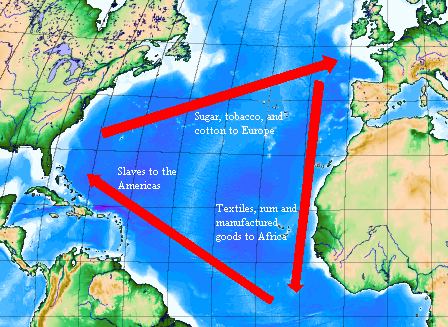
3.Do some research and explain the conditions in which slaves were captured and transported from Africa to the Americas.
Some of them hadn´t seen the sea in their whole life and didn´t know what was going on as they didn´t understand their captors language.
They were packed just like if they were logs and many of them died because of the pressure. Men were considered as a threat for the traders so they were all tied with iron chains. Women and children were apart, exposed to all the sexual abuse that came from the captors.
Slaves were fed as animals and the ones who refused were forced to do it. People who died during the voyage were thrown to the sea and those who felt sick were killed.
Hygiene was nonexistent and there was an awful smell because they hadn´t a place to relieve themselves and as a result there was a lot of possibilities to die from a disease.
4.What enlightened ideas appear in the movie?
We can see a lot of enlightened ideas in the John Quincy Adams argument. The main things are based on freedom and equality and ``The Natural Law´´, which says that God has given to every human being certain rights and they can do anything to achieve that state. Moreover, following that right of equality he also argues that there is no difference for God between black and white.
5.Who was Joseph Cinqué? Did he really existed?
Joseph Cinqué was originally called Sengbe Pieh and lived in Sierra Leona. He worked as a farmer and was captured and illegally sold to portuguese traders. He was the starter of the revolt in the ship and he also returned back to his homeland after the judgement, there is no much information about his later life.
6.What is the role of John Quincy Adams, former US President, in the movie?
In the movie, former President John Quincy Adams begins to argue the Amistad case in front of the U.S Supreme Court. He was the son of America´s second president, founding father and avowed abolitionist John Adams.
Following the freedom and equality ideas, he defended slaves in a very intense speech knowing it may led in a civil war but arguing that it was worth.
Triangular trade is a historical term indicating trade among three ports or regions.
The best-known triangular trading system was the Atlantic slave trade, which lasted from the late 16th to early 19th centuries. During this time, European countries such as Britain, Spain and France had colonies in the Americas and Africa. The ships carrying slaves, crops and manufactured goods between West Africa, the Caribbean and American colonies and the colonial powers in Europe.
3.Do some research and explain the conditions in which slaves were captured and transported from Africa to the Americas.
Some of them hadn´t seen the sea in their whole life and didn´t know what was going on as they didn´t understand their captors language.
They were packed just like if they were logs and many of them died because of the pressure. Men were considered as a threat for the traders so they were all tied with iron chains. Women and children were apart, exposed to all the sexual abuse that came from the captors.
Slaves were fed as animals and the ones who refused were forced to do it. People who died during the voyage were thrown to the sea and those who felt sick were killed.
Hygiene was nonexistent and there was an awful smell because they hadn´t a place to relieve themselves and as a result there was a lot of possibilities to die from a disease.
4.What enlightened ideas appear in the movie?
We can see a lot of enlightened ideas in the John Quincy Adams argument. The main things are based on freedom and equality and ``The Natural Law´´, which says that God has given to every human being certain rights and they can do anything to achieve that state. Moreover, following that right of equality he also argues that there is no difference for God between black and white.
5.Who was Joseph Cinqué? Did he really existed?
Joseph Cinqué was originally called Sengbe Pieh and lived in Sierra Leona. He worked as a farmer and was captured and illegally sold to portuguese traders. He was the starter of the revolt in the ship and he also returned back to his homeland after the judgement, there is no much information about his later life.
6.What is the role of John Quincy Adams, former US President, in the movie?
In the movie, former President John Quincy Adams begins to argue the Amistad case in front of the U.S Supreme Court. He was the son of America´s second president, founding father and avowed abolitionist John Adams.
Following the freedom and equality ideas, he defended slaves in a very intense speech knowing it may led in a civil war but arguing that it was worth.
viernes, 24 de noviembre de 2017
THE SPANISH ARMADA
1.This is an extract from a letter to the English government which gives details about the progress of the Armada.
-How useful do you think this information would be to the English government?
I believe this information is really useful because it gives what seems to me as crucial information because it tells about the number of soldiers and leaders giving English army the opportunity to prepare for a determined amount of men.
-Why there more soldiers than sailors?
Because they needed more people to fight than just to sail and leave the ship there.
2.This is a report from lord Howard of Effingham, the Admiranl of the Eglish fleet.
-How do you think the news that the Spanish Armada had been sighted was able to reach Lord Howard so quickly when he was at Plymouth, over hundred miles away?
It was important because as soon as they knew how and when attack, the better.
-Why do you think Howard complained to Walsingham about the wind?
I think it was because they consider it as the ``help´´ spanish had to reach the coast faster.
-Howard says that the Spanish fleet was `soe strong´. What made it strong?
Because of the quantity and the quality of the ships.
4.An extract from a Spanish captain´s account of the events. He had survived after being shipwrecked on the Irish coast and was then interrogated by the English, but eventually returned home to Spain.
-The Spanish Armada fought the English fleet for two days without losing any ships What happened next that changed this?
The mast of a ship was broken because of a shot so they lost it.
-Why was it a good thing that the Spanish plans were stopped?
Because they were losing no ships and England attacked, they fouhgt fiercely and Spanish were forced to return home, Spain. However, a great storm surprised them near to Norway, taking with it the lifes of some soldiers. This way, English weren´t invaded.
Because they were losing no ships and England attacked, they fouhgt fiercely and Spanish were forced to return home, Spain. However, a great storm surprised them near to Norway, taking with it the lifes of some soldiers. This way, English weren´t invaded.
-If you could change one thing to give the Spanish a better chance of winning what would it be and why?
In my opinion, I think they should have stayed, or at least hadn´t gone that early in order to evict the storm, by doing this it was more likely for Spanish to conquer England.
-The English celebrated their victory with a medal saying `God blew and they were scattered´- how would the Spanish have explained their defeat?
They probably led the responsability to the poor organization of their superiors but mainly to the horrible climatological conditions.
6.Explain in a short paragraph why many people thought that God had helped the English defeat the Spanish Armada.
As it has something to do with religion changes, people thought that the wind that moved Spanish fleet northwards was God job whose intention was leading English army to victory.
jueves, 23 de noviembre de 2017
INTERVIEW WITH A MORISCO
1-Hi, my name is Alejandra and I´m going to be your interviewer today, what´s your name?
Hello, my name is Aribah and I am 27 years old.
2-Tell us something about your previous life.
Well, firstly, I have a husband called Kamil, and two little kids whose names are Munir and Suud; they are 7 and 9 years each.
3-Where did you lived and how did you earned money?
I lived in Valencia like most of the moriscos including myself and a lot of generations before me, my husband worked as a doctor but I didn't, I was dedicated to take care of our children, going to the market, keep our home decent etc. We survived with Kamil´s earnings, then he had to change of job because christians decided to disolve some guilds and he started to work in the countryside.
4-How long have you been living in Spain?
That´s easy to answer, I have been living here since I was born as well as my husband, moreover my family has been also living here for several generations. That is one of the causes why we are so bewildered.
5-What were your feelings with the Christians before they expelled you?
It depends, for example, since I have lived in Spain my whole life I have met very different people, I even had Christian friends but there were also people that made fun of my faith or despised me just by looking at me, it was really uncomfortable.
I felt dissapointed as they were my neighbours and they had lived with me for many years. They repeated that it was impossible for us to become ``good and faithful´´ and the previous months before the ejection the tension was notorious.
6-Did you asumed Christianism?
That´s a very difficult question, well, I could say that I asumed it completely but it wouldn´t be true. Instead, I´m going to say the reality for most of us: we openly adapted to Christianism and some of us changed our names to others more acceptable (I hate to say that) but in the privacy of our homes we still did some of our muslim traditions.

7-What ways the Christian used to expelled you?
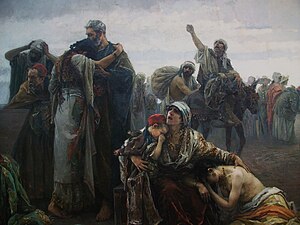 Firstly they tried to convert us to Christianism, then they thought they failed and because the didn´t want to admit it, they said we won´t be ever good enough believers. Finally as an excuse they said that we wanted to align with Ottoman forces so they dropped us in North-African beaches.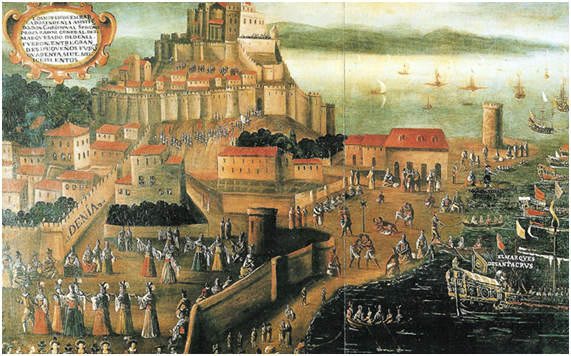
8-Where are you going?
My family and I are moving to Morocco where Kamil has some friends that may take in us into their house for an undefined time.
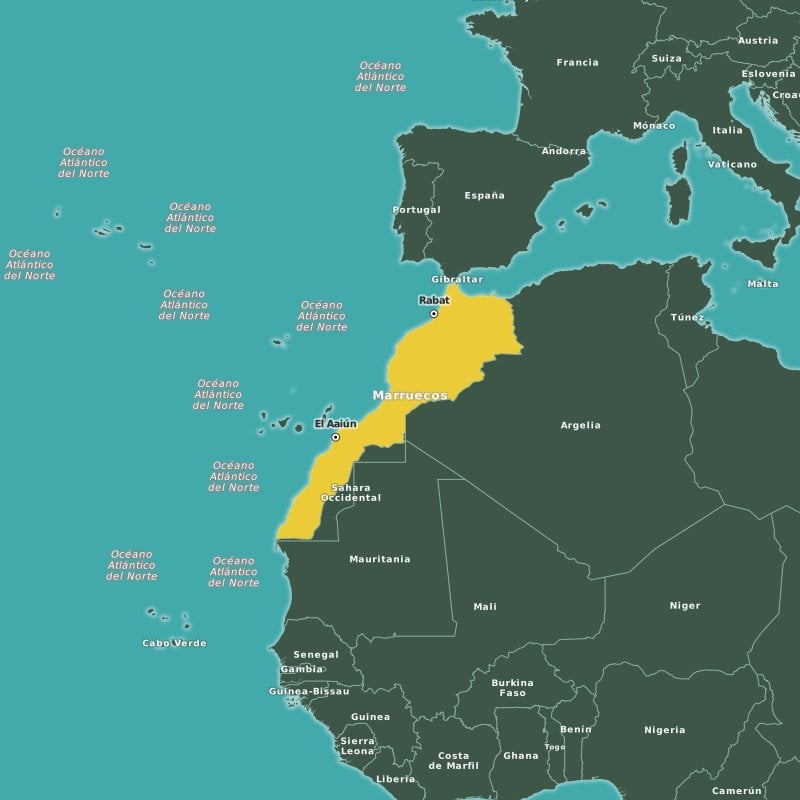

9-What do you expect to happen in your way to Morocco?
To be honest, I´m scared, a lot of rumors have passed through me and all were horrible. Moriscs have been robbed, raped or even murdered in their travel by vandals. Some boats have drown in the middle of the sea, killing whole families that still felt Spaniards and didn´t understand the expulsion.
Overall I hope to finish the trip with my children and husband but I´m very sad to live the place
where I have always lived by force.
10-How do you feel about the expulsion?
I think Philip has committed a huge mistake and I hope he meditates enough to stop this insane process. I believe the expulsion will bring economic problems for Spain and we all feel upset and terrified, they are expelling us from home!
Hello, my name is Aribah and I am 27 years old.
2-Tell us something about your previous life.
Well, firstly, I have a husband called Kamil, and two little kids whose names are Munir and Suud; they are 7 and 9 years each.
3-Where did you lived and how did you earned money?
I lived in Valencia like most of the moriscos including myself and a lot of generations before me, my husband worked as a doctor but I didn't, I was dedicated to take care of our children, going to the market, keep our home decent etc. We survived with Kamil´s earnings, then he had to change of job because christians decided to disolve some guilds and he started to work in the countryside.
4-How long have you been living in Spain?
That´s easy to answer, I have been living here since I was born as well as my husband, moreover my family has been also living here for several generations. That is one of the causes why we are so bewildered.
5-What were your feelings with the Christians before they expelled you?
It depends, for example, since I have lived in Spain my whole life I have met very different people, I even had Christian friends but there were also people that made fun of my faith or despised me just by looking at me, it was really uncomfortable.
I felt dissapointed as they were my neighbours and they had lived with me for many years. They repeated that it was impossible for us to become ``good and faithful´´ and the previous months before the ejection the tension was notorious.
6-Did you asumed Christianism?
That´s a very difficult question, well, I could say that I asumed it completely but it wouldn´t be true. Instead, I´m going to say the reality for most of us: we openly adapted to Christianism and some of us changed our names to others more acceptable (I hate to say that) but in the privacy of our homes we still did some of our muslim traditions.
7-What ways the Christian used to expelled you?
Firstly they tried to convert us to Christianism, then they thought they failed and because the didn´t want to admit it, they said we won´t be ever good enough believers. Finally as an excuse they said that we wanted to align with Ottoman forces so they dropped us in North-African beaches.8-Where are you going?
My family and I are moving to Morocco where Kamil has some friends that may take in us into their house for an undefined time.
9-What do you expect to happen in your way to Morocco?
To be honest, I´m scared, a lot of rumors have passed through me and all were horrible. Moriscs have been robbed, raped or even murdered in their travel by vandals. Some boats have drown in the middle of the sea, killing whole families that still felt Spaniards and didn´t understand the expulsion.
Overall I hope to finish the trip with my children and husband but I´m very sad to live the place
where I have always lived by force.
10-How do you feel about the expulsion?
I think Philip has committed a huge mistake and I hope he meditates enough to stop this insane process. I believe the expulsion will bring economic problems for Spain and we all feel upset and terrified, they are expelling us from home!
jueves, 2 de noviembre de 2017

lunes, 9 de octubre de 2017
domingo, 8 de octubre de 2017
viernes, 16 de junio de 2017
TERTIARY SECTOR
https://www.powtoon.com/m/fqPOpbzRUYn/1/m
https://www.powtoon.com/c/cL44Ui4clQL/1/m
https://www.powtoon.com/my-powtoons/#/
http://www.powtoon.com/embed/bnjDGpKFyKq/
http://www.powtoon.com/embed/f9DVLsdzCmV/
jueves, 15 de junio de 2017
SPAIN ORGANIZATION
According to the Spanish Constitution, which is the supreme rule of the legal system, Spain is a social and democratic state of rights that is based on the principles of freedom, justice, equality and political pluralism. Spain is a parlamentary monarchy in which sovereignty relies on the spanish people, from which state powers emanate.
The head of the state is the king (nowdays Felipe VI) who is the highest representation of the spanish state and it is in charge of represent us in international relationships. The crown is inherited from fathers to sons to the firstborn son.
Political organization is divided into legislative power, executive power and judicial power. The executive power is held by the president of the government, whose labor is to manage the political actions with the ministers.
The legislative power is formed by Congreso de los diputados and Senado, it´s main function is the law creation and the goverment control.
The judicial power duty its to judge and execute what has been judged. It is formed by different courts and tribunals under the dependance of the consejo general del poder judicial. El tribunal supremo its the supreme judicial power; there is also the tribunal constitucional in charge of ensure laws and public administrative actions, it is the maximum interpreter of the spanish constitution.
Regarding the organization of territories, the state is divided into municipalities, provinces and autonomous communities. All these bodies have self-goverments in order to achieve their own interests.
Talking about religion, it is recognized as a fundamental right in the constitution to have religious freedom. As a result, Spain is considered as a secular state.
The head of the state is the king (nowdays Felipe VI) who is the highest representation of the spanish state and it is in charge of represent us in international relationships. The crown is inherited from fathers to sons to the firstborn son.
Political organization is divided into legislative power, executive power and judicial power. The executive power is held by the president of the government, whose labor is to manage the political actions with the ministers.
The legislative power is formed by Congreso de los diputados and Senado, it´s main function is the law creation and the goverment control.
The judicial power duty its to judge and execute what has been judged. It is formed by different courts and tribunals under the dependance of the consejo general del poder judicial. El tribunal supremo its the supreme judicial power; there is also the tribunal constitucional in charge of ensure laws and public administrative actions, it is the maximum interpreter of the spanish constitution.
Regarding the organization of territories, the state is divided into municipalities, provinces and autonomous communities. All these bodies have self-goverments in order to achieve their own interests.
Talking about religion, it is recognized as a fundamental right in the constitution to have religious freedom. As a result, Spain is considered as a secular state.
AMARÁS AL LÍDER SOBRE TODAS LAS COSAS
1-Do some research and explain the origin of the North-Korea communist regime.
There are different thoughts about when this kind of regime was firstly created. Some people say it was in 1926 when Kim II-Sung was a teenager that founded the "Down-with-Imperialism Union". It promoted Marxism and Leninism and fighted against Japanese imperialism.
For others, the true foundation is 1949, when South and North Korean Communists finally came together in a coalition that aimed to lead one unified Korea, the North Korea Bureau of the Communist Party of Korea was established. This became the body which rules together.
However, the Korean war started. He began consolidating his power by eliminating those communists with South Korean links - many accused of spying.Then those Russian and Chinese Koreans who were part of the early history of the party were picked off through exile, imprisonment and disappearances.He was slowly becoming more and more important inside his party and it was thank to soviets.
The next step was to ensure his son gained pole position. Kim Jong-il rose to senior party positions in 1973 and 1974, most importantly as head of that all-important Organisation Guidance Department.
Through his senior party positions he elevated a number of his political supporters. He also punished those who dared challenge him such as his step-mother Kim So'ng-a'e who pressed the claims of her son Kim Pyong-il as hereditary successor.
After the death of Kim Il-sung in 1994 and because of the wider social impact of the North Korean famine, known as The Arduous March, the Party became somewhat moribund. But in 2010, Kim Jong-il revived the party as a political institution to boost the succession of his son Kim Jong-un.
2- Find three recent news about North Korea from digital newspapers and include the links to them
http://www.independent.co.uk/News/world/politics/north-korea-donald-trump-paris-agreement-latest-height-of-egotism-korean-central-news-agency-a7778341.html
https://www.theguardian.com/world/2017/may/05/north-korea-accuses-cia-biochemical-plot-kill-kim-jong-un
https://www.theguardian.com/world/2017/may/29/north-korea-fires-missile-into-japanese-waters
3- What are the main names to the North-Korean leaders mentioned in the documentary? Who is the current leader of the country?
Kim II-Sung, Kim Jong-il and Kim Jong-Un, the one who rules nowdays.
4- What are the instruments used by these leaders to mantein the dictatorial regime?
The main instruments used in order to mantein the regime are weapons and different types of punishment, but one of the most powerfull instruments are thoughts. People has being taught since their childhood a way of living and thinking that cannot be questioned. Thats why people don´t even think about it, they do it in a mechanized way, but, what is about those people who really think about the unreliable information, and the extreme control they are exposed to? well, I think they are too scared even to protest as the have seen a lot of people trying to change the country and becoming dissapeared or in a punishment centre.
5- What is the meaning of the word Gulag? Where does it come from? Is there anything similar in North Korea? It was a term that named the organization that controlled the soviet forced-labor system in which criminals were forced to work in camps. But with time, the word has become to refer the camp itself. There are also camps in Korea where people who have commited a ``crime´´ such as being disrespectfull with the leader have to work and take care of the crops.
6-According to the video, what are the main characteristics of a dictatorship?
In my opinion, the main characteristic of a dictatorship is the lack of freedom. You cannot acceed to certain information, you have to follow a very strict system in which you are considered as a criminal if you break some of the rules. The imposibility of choosing in what you want to work or what you want to study and the extreme control that koreans face. Another characteristic is the protective attitude that leaders have about their country, its relationships with the rest of the goverments and its economy.
7-Compare the life of a north-korean family with your own. In addition, try to describe the life of a north-korean teenager of your same age.
If my family lived in Korea, our life would be very different of what we are used to. My parents are working in something regarded to justice which is something very difficult to imagine as a regular korean family. Moreover I wouldn´t be studying something that I like, I would be wearing the same clothes as every girl of my age and I wouldn´t have the possibility where I would like to study, what I would like to do or even what I would like to think.
There are different thoughts about when this kind of regime was firstly created. Some people say it was in 1926 when Kim II-Sung was a teenager that founded the "Down-with-Imperialism Union". It promoted Marxism and Leninism and fighted against Japanese imperialism.
For others, the true foundation is 1949, when South and North Korean Communists finally came together in a coalition that aimed to lead one unified Korea, the North Korea Bureau of the Communist Party of Korea was established. This became the body which rules together.
However, the Korean war started. He began consolidating his power by eliminating those communists with South Korean links - many accused of spying.Then those Russian and Chinese Koreans who were part of the early history of the party were picked off through exile, imprisonment and disappearances.He was slowly becoming more and more important inside his party and it was thank to soviets.
The next step was to ensure his son gained pole position. Kim Jong-il rose to senior party positions in 1973 and 1974, most importantly as head of that all-important Organisation Guidance Department.
Through his senior party positions he elevated a number of his political supporters. He also punished those who dared challenge him such as his step-mother Kim So'ng-a'e who pressed the claims of her son Kim Pyong-il as hereditary successor.
After the death of Kim Il-sung in 1994 and because of the wider social impact of the North Korean famine, known as The Arduous March, the Party became somewhat moribund. But in 2010, Kim Jong-il revived the party as a political institution to boost the succession of his son Kim Jong-un.
2- Find three recent news about North Korea from digital newspapers and include the links to them
http://www.independent.co.uk/News/world/politics/north-korea-donald-trump-paris-agreement-latest-height-of-egotism-korean-central-news-agency-a7778341.html
https://www.theguardian.com/world/2017/may/05/north-korea-accuses-cia-biochemical-plot-kill-kim-jong-un
https://www.theguardian.com/world/2017/may/29/north-korea-fires-missile-into-japanese-waters
3- What are the main names to the North-Korean leaders mentioned in the documentary? Who is the current leader of the country?
Kim II-Sung, Kim Jong-il and Kim Jong-Un, the one who rules nowdays.
4- What are the instruments used by these leaders to mantein the dictatorial regime?
The main instruments used in order to mantein the regime are weapons and different types of punishment, but one of the most powerfull instruments are thoughts. People has being taught since their childhood a way of living and thinking that cannot be questioned. Thats why people don´t even think about it, they do it in a mechanized way, but, what is about those people who really think about the unreliable information, and the extreme control they are exposed to? well, I think they are too scared even to protest as the have seen a lot of people trying to change the country and becoming dissapeared or in a punishment centre.
5- What is the meaning of the word Gulag? Where does it come from? Is there anything similar in North Korea? It was a term that named the organization that controlled the soviet forced-labor system in which criminals were forced to work in camps. But with time, the word has become to refer the camp itself. There are also camps in Korea where people who have commited a ``crime´´ such as being disrespectfull with the leader have to work and take care of the crops.
6-According to the video, what are the main characteristics of a dictatorship?
In my opinion, the main characteristic of a dictatorship is the lack of freedom. You cannot acceed to certain information, you have to follow a very strict system in which you are considered as a criminal if you break some of the rules. The imposibility of choosing in what you want to work or what you want to study and the extreme control that koreans face. Another characteristic is the protective attitude that leaders have about their country, its relationships with the rest of the goverments and its economy.
7-Compare the life of a north-korean family with your own. In addition, try to describe the life of a north-korean teenager of your same age.
If my family lived in Korea, our life would be very different of what we are used to. My parents are working in something regarded to justice which is something very difficult to imagine as a regular korean family. Moreover I wouldn´t be studying something that I like, I would be wearing the same clothes as every girl of my age and I wouldn´t have the possibility where I would like to study, what I would like to do or even what I would like to think.
lunes, 15 de mayo de 2017
domingo, 19 de febrero de 2017
domingo, 12 de febrero de 2017
Suscribirse a:
Entradas (Atom)